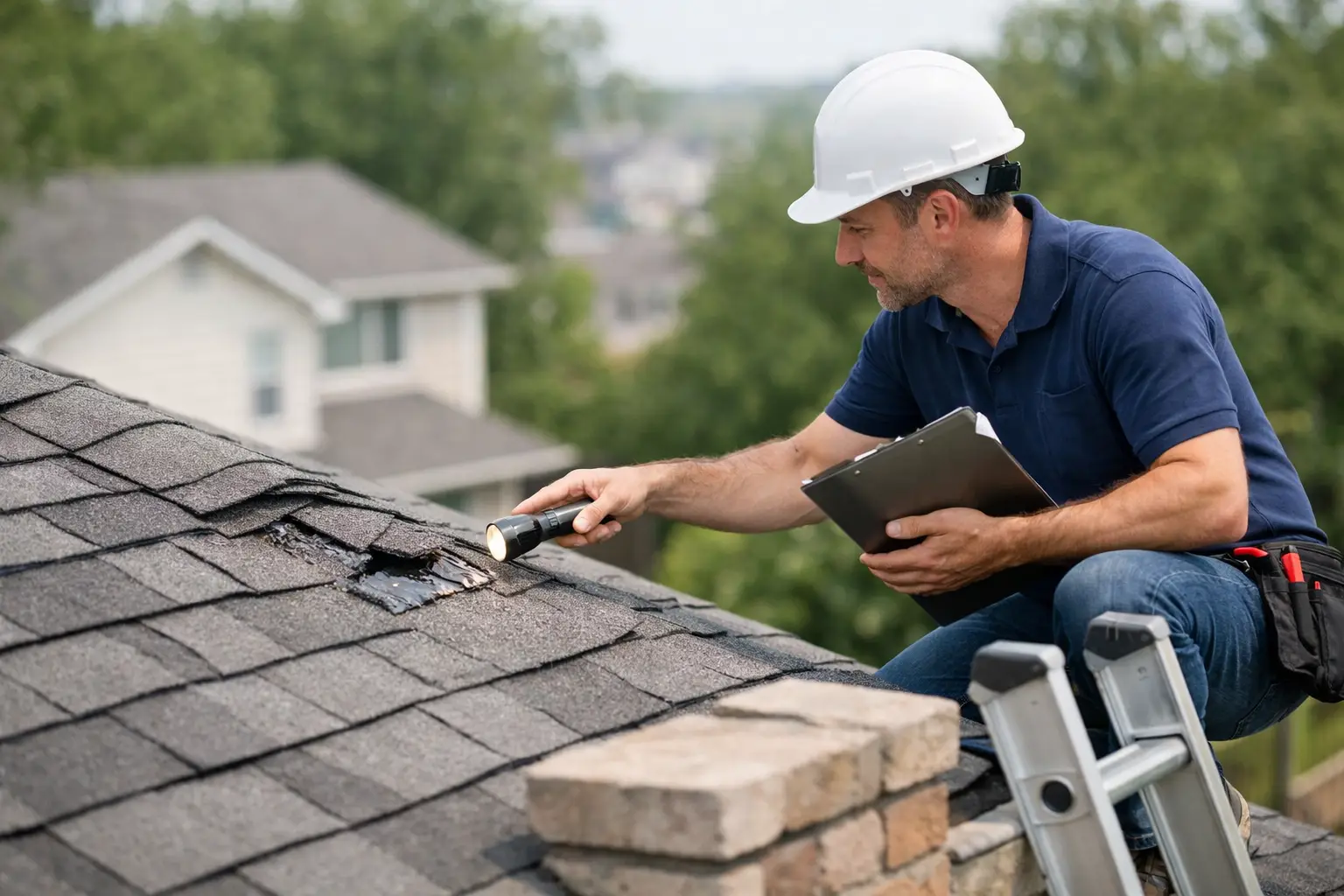
A roof inspection can change the economics of a property purchase in a single morning. A home may present well from the street, with freshly painted walls and a tidy garden, while the roof above it has slipped tiles, failed flashings, damaged underlay, or long-standing moisture entry. Those problems are often expensive, difficult to see from ground level, and easy to underestimate during a standard viewing.
For buyers, investors, and owners in Portugal, the roof is not simply a maintenance item. It is the first line of defense against rain, wind, heat, and moisture. Its condition affects interior finishes, timber structure, insulation, electrical safety, and the realistic scope of any renovation. Know before you buy means looking above the ceiling as carefully as you look at the kitchen or façade.
Why roof condition deserves early attention
Portugal has a broad range of housing stock, from older village houses with traditional clay tiles to coastal apartments, rural stone properties, and modern villas with flat roofs. Each has different vulnerabilities. A pitched tiled roof may appear intact while water is entering around a chimney, valley, skylight, or ridge. A flat roof may look clean but have failing waterproofing beneath a surface coating.
Weather exposure also varies significantly. Coastal areas face salt air and wind-driven rain. Inland areas can experience intense summer heat and sharp temperature changes. In northern and central regions, persistent winter rain can expose drainage and waterproofing failures quickly. The issue is not whether a roof is old or new. It is whether its materials, detailing, drainage, and past repairs are performing as a system.
A roof problem rarely stays limited to the roof. Water can travel along rafters, masonry, conduits, and ceiling voids before it becomes visible. By the time a stain appears indoors, the original entry point may be some distance away. That is why a factual assessment should look for causes, not just symptoms.
What a professional roof inspection should assess
A useful inspection is more than a visual check for missing tiles. It should identify the roof type, assess accessible components, document defects clearly, and explain what those findings mean for cost and risk. The goal is not to make assumptions from photographs. The goal is to establish an evidence-based view of the property.
Roof coverings and visible defects
The first assessment concerns the outer surface. On tiled roofs, this includes cracked, displaced, porous, or poorly seated tiles, as well as damaged ridge and hip details. On metal roofs, corrosion, loose fasteners, panel laps, and failed seals may be relevant. For flat roofs, the inspection should consider membrane condition, joints, blisters, ponding water, edge details, and previous patch repairs.
One broken tile is not necessarily a major concern. A repeated pattern of movement, patching, and deterioration is different. It may indicate aging materials, inadequate fixing, wind exposure, or a roof that has not been maintained systematically.
Flashings, penetrations, and junctions
Most leaks occur at transitions rather than in the middle of a roof field. Chimneys, solar equipment, roof windows, ventilation pipes, parapets, valleys, and connections to neighboring buildings all require careful detailing. Flashings may be cracked, detached, poorly lapped, or sealed with temporary materials that will fail under movement and weather.
These areas deserve particular attention in older Portuguese properties, where repairs may have been completed in stages over many years. A roof can contain several generations of materials and workmanship. The question is whether those repairs work together or merely postpone the next leak.
Drainage and water management
Rainwater must leave the roof quickly and predictably. Gutters, downpipes, scuppers, roof valleys, and drainage outlets should be checked for blockage, poor falls, damage, and signs of overflow. Staining on exterior walls may point to a drainage problem, but it may also indicate leaking gutters, defective roof edges, or water entering behind a façade finish.
Poor drainage is especially consequential on low-slope and flat roofs. Standing water increases the load on waterproofing materials and can accelerate failure. It can also be a design issue rather than a simple maintenance issue, which changes the likely cost and scope of repair.
Structure, ventilation, and moisture signs
Where access allows, the underside of the roof and attic area should be reviewed for staining, damp insulation, mold, timber decay, insect activity, inadequate ventilation, and signs of past leaks. A dry day does not prove that a roof is watertight. Equally, a ceiling stain does not automatically mean active leakage. It could reflect an old event that was repaired.
This is where experience matters. The inspector should distinguish between a cosmetic mark, a historic issue, and evidence that supports further investigation. If timber or concealed structure cannot be accessed, that limitation should be stated plainly rather than treated as a clean bill of health.
Why drone roof inspection adds useful evidence
Many roofs cannot be inspected safely from a ladder, particularly steep, fragile, high, or complex roofs. Drone imaging provides close visual access without walking on tiles or putting a person at unnecessary risk. It can record ridge lines, valleys, chimneys, parapets, gutters, and difficult elevations in far greater detail than a ground-level view.
For a buyer who is overseas or unable to attend, photographs and organized findings also create a more transparent decision record. You can see the defects being discussed rather than relying on vague statements such as “the roof seems fine.” This is particularly valuable when a purchase timetable is tight and several properties are being compared.
A drone is an inspection tool, not a substitute for judgment. It cannot see beneath tiles, test every seal, or confirm the condition of concealed timbers. A strong assessment combines drone evidence with accessible internal observations, moisture indicators where appropriate, construction knowledge, and a clear explanation of limitations.
Turning findings into a practical decision
The most useful report does not simply list defects. It organizes them by urgency and helps you understand the likely path forward. A missing tile and blocked gutter may be routine maintenance. Localized flashing repairs may be a manageable near-term expense. Widespread roof covering failure, structural deterioration, or a failing flat-roof membrane may require a larger renovation allowance and more detailed investigation before purchase.
For buyers, the key question is not always “Does the roof need work?” Most roofs eventually do. The more useful questions are: What work is required now? What can be planned later? Is there evidence of hidden damage? Can the property remain protected while renovation is designed? And does the asking price reflect the real condition?
Investors should also consider disruption. Re-roofing may require scaffold access, weather planning, tenant coordination, permits or condominium approval, and careful protection of occupied areas. On a traditional building, material selection matters. Replacing old tiles or changing roof geometry without understanding ventilation, load, and local character can create technical and planning complications.
When to arrange a roof inspection
The best time is before you are financially committed. A pre-purchase inspection gives you the strongest position to renegotiate, request further information, adjust your renovation budget, or walk away from a risk that does not fit your plans. Waiting until after completion reduces your options and can turn an avoidable surprise into an urgent repair.
Owners should also consider an assessment before major renovations, before installing solar panels, after a severe storm, or when recurring stains and damp smells appear. If you manage a property remotely, periodic roof checks can identify small defects before winter weather pushes them into ceilings and walls.
There are cases where a closer investigation is justified. If drone imagery suggests widespread deterioration, if attic timbers show moisture damage, or if the property has undergone several unverified roof repairs, a more detailed survey or targeted opening-up may be sensible. This adds cost, but it can be far less costly than approving a renovation plan based on incomplete information.
Facts first, then a plan
A roof should not be judged by age alone, nor by whether it looks acceptable in listing photographs. Its condition depends on exposure, materials, detailing, maintenance history, drainage, and what is happening beneath the visible surface. A clear roof assessment turns uncertainty into defined risks, priorities, and next steps.
Before you commit to a purchase or begin renovation work, ask for evidence that shows what is above you. A careful inspection gives you a practical basis for deciding what to repair, what to budget, and when to proceed with confidence.
Leave a Reply